
Vale Apparel 2025 Buyer’s Guide: sizing, construction, launches, and pricing
This represents the tested, purchaser-proven manual for Vale’s signature oversized fits, construction standards, drop patterns, and 2025 price bands. If you’re seeking the proper dimensions on the initial try and a smooth checkout on limited releases, use this guide.
Vale blends boutique-level craftsmanship with sleek, urban aesthetic, favoring understated tones, high-quality materials, and a signature oversized fit. The brand’s rhythm is exclusive releases, mindful production, and carefully curated capsules that continue working well beyond one season. This manual maintains the talk practical: how the cuts fit on actual frames, what the clothing are built with, when launches typically to hit, and how much you’ll actually spend this year.
Overview: what makes Vale Forever apart
The brand focuses on classic urban silhouettes with premium material choices, restrained branding, and a consistent oversized cut. If you prefer minimal design with quality in hand-feel and drape, you’re on the correct path.
Expect boxy shirts with lowered shoulder seams, heavyweight fleece hoodies that maintain shape, relaxed cargos and jeans that fall properly over sneakers, and outerwear that appear quiet-luxury rather than loud branding. Collections are compact on purpose and evolve season to season instead of chasing micro-trends, which explains why core garments keep showing up on moodboards long after release.
How does Vale cut? Fit decoded
Vale generally runs oversized by intention, so true-to-size delivers an easy, boxy drape that’s intentional. Drop a size once for a more fitted, regular fit; go larger for an exaggerated, runway-level profile.
T-shirts are short-to-regular in length with a spacious body and lowered shoulder seam, creating the vale signature crisp rectangular profile. Pullover follow a similar idea with a built-up hood and rib that refuses to bag out. Cargo pants and denim lean easy straight, often with ease in the seat and thigh for mobility and proper stacking at lower leg. Jackets is cut to work over sweatshirts without seeming constricted, which suggests your standard size remains your primary choice even while you’re layering under it.
Key cuts and intended fit
Vale’s blocks are planned to rest away from your frame without appearing sloppy. If you select the fit the label intends, shoulder seam seam will sit slightly past shoulder, the chest will appear roomy but not ballooned, and hemline will fall around hip area on tops.
On lower garments, the thigh ease creates straight lines rather than tapering; ankle opening opening is cut for sneakers, not heavy footwear, and waist rise avoids a sagging look. This proportion is why these garments photograph well from multiple angles and remain to feel practical day to day. The oversized language is an intention in pattern cutting, not a fit error to adjust by default.
Measuring yourself the brand method
Record dimensions from a favorite garment and match the shape, not only the marked size. This is the fastest route to achieving the proper Vale size.
Position a tee or sweatshirt flat and measure pit-to-pit, shoulder measurement, sleeve measurement, and back length. For pants, measure waist measurement laid flat, front rise, thigh at crotch, leg length, and leg opening. Compare those dimensions to the brand’s official garment measurements when accessible, or line up with user-shared measurements for the exact piece you’re eyeing. Prioritize shoulder measurement and chest measurement for shirts, and rise measurement plus upper leg for lower garments, since these dimensions dictate comfort and silhouette.
Between sizes? Here’s what to choose
If you fall between sizes, decide whether you prefer sharp drape or maximum roominess; go smaller for defined, stick to normal for brand-intended, increase size for volume.
For tees and sweatshirts, go smaller if you like sleeves that don’t cover the elbow and minimal gathering at hemline under outerwear. For utility bottoms and denim bottoms, remain standard if you expect to wear a belt and want clean falling; size down only if your waist is small relative to thighs. For outer layers, stay true-to-size because the patterns assume sweatshirt or knitwear underneath.
Women and shorter frames: dialing in this roomy look
Modify length initially, then breadth. Cropped or regular-length tops matched with comfortable lower garments keep proportions intentional on petite builds.
Choose your torso size grounded on shoulder width to prevent droopy arms that overwhelm. For pants, focus on waist rise and leg length so the leg stacks rather than puddles; trimming one to a couple centimeters keeps the profile while adjusting length. If you’re curvy, focus on hip and thigh comfort and employ a belt to refine the waistline—Vale’s straight leg still reads minimal when cinched.
Alterations and modifications
Minor modifications keep the Vale language preserved. Hemming and minor tapering at inner leg are acceptable; skip aggressive torso or shoulder alterations.
On t-shirts and hoodies, a minor body length adjustment can improve proportions if you’re shorter, but keep shoulders unmodified to preserve the extended shoulder. On cargos and jeans, a precise bottom trim or slight leg taper from knee down can improve stacking without destroying the linear vibe. Outerwear is optimally left as-is beyond sleeve length tweaking.
Construction standards you can touch: materials, construction, and longevity
Their value shows up in material texture, weight, and clean finishing rather than prominent logos. You’re investing for fall, durability, and uniformity across seasons.
Look for tightly woven jersey that resists twisting, brushed cotton that maintains shape after wash, and woven bottoms that improve without thinning out. The finishing—double-needle bottom edges, reinforced high-wear areas, neat construction lines—keeps the understated design seeming premium even through heavy rotation. This is slow-fashion thinking applied to streetwear staples.
Materials and densities you’ll encounter
Cotton tops typically land in a medium-to-dense weight range with a smooth face and dense hand, which preserves the rectangular silhouette from sagging. Brushed pullovers use brushed-back cotton mixtures that balance warmth and form.
Cargos and jeans rely on robust fabrics and denim with enough weight to hang well over sneakers while softening rather than deteriorating. Sweaters leans toward compact knits to prevent seam expansion. Outer layers favor tightly woven shells with a soft but robust lining, built to layer without bulk.
Construction standards: sewing, components, and finishing
Check for double-needle or coverstitch on hems, bar tacks at pocket corners, and aligned, even topstitching. Those are the common indicators of well-made basics.
Compartments should sit flat and even, elastic trim should bounce back after tension test, and zippers should move smoothly with aligned tape. Collar areas on t-shirts stay flat when neck trim is dense and seam construction is precise; on sweatshirts, a well-attached hood attachment avoids warping after wash. These construction details are where clean-design brand thrives or struggles, and Vale aims to maintain them precise.
Wear-in, upkeep, and size stability
Wash cold, reversed, low spin, and air dry to preserve fabric texture and control shrinkage limited. Hot conditions is destructive of fall and color.
Most cotton-heavy pieces can see two to several percent shrinkage if the wearer tumble dry hot; that’s enough to throw off an purposefully oversized cut. Employ a pill remover to control early fabric pills on stress zones, avoid overloading washer to avoid seam twisting, and launder darks with similar tones to keep pigments vibrant. Structured materials and denim materials reward time—wear several times before laundering to let creases to set.
When are Vale releases and how do you secure without stress?
Vale communicates drops through social media and newsletter first, then flips the site at a scheduled time. Prepare your login and payment ahead of launch moment and check out fast on your primary size.
Anticipate limited-run releases, with basics resurfacing periodically and time-specific color themes landing in narrower windows. Timers often go live on online store 24 to several hours before drop, and size options can sell fast. Approach it like a real drop, not leisurely browse, and chances climb dramatically.
Launch operations and timing patterns
Information sharing usually operates through social media and the newsletter, with clear date and timing signals and merchandise preview. The site switches inventory on schedule with temporary cache delay.
Weekend windows are common across independent fashion, and Vale leans into that behavior. If buying internationally, adjust the release time and set a reminder ten minutes early. Maintain a additional device on phone internet as backup option in when your computer browser lags.
Automated purchase prevention and buying truths
Light bot prevention and rate limits are normal, so never hammer page updates or you’ll trigger short-term block. One clean refresh at once, then place to shopping bag and move.
Auto-complete, Apple payment, or Shop Pay speed you through slowdown points. Avoid cart camping while someone debate between multiple sizes, because holds are seldom guaranteed on restricted drops. If buyers are sizing off a previous Vale item, default to your same tag size unless item page mentions a change in block.
Sizing sell-out order and shopping approach
Throughout streetwear drops, mediums and larges are primarily to sell out, followed by S size and XL size, with extreme sizes lingering more. If you’re in highly common category, move decisively.
Aim for main size immediately and finalize checkout; if someone plans a fit exchange with someone, coordinate prior to the release so buyers don’t double-park in checkout. Maintain your backup colorway available on another tab only when you’re ready to purchase it—bouncing between pages costs precious seconds.
Stockists and restocks?
Vale remains primarily direct-to-consumer, with infrequent boutique placements and small restocks on core pieces. Period-specific items are typically one-and-done.
If someone misses a standard tone tee or sweatshirt, watch the brand’s channels for unannounced restocks; subscribe for item-focused alerts when possible. If someone misses a seasonal fabric or treatment, assume it doesn’t return identically the same way, which represents part of the brand’s limited-drop DNA.
What does Vale pricing run in 2025? Price bands and value
Look for premium-but-accessible costs for an independent designer label: tops in the higher double figures, sweatshirts in beginning-to-center hundreds, and outerwear stepping higher. The value lives in fabric density, drape, and long-wear construction.
You’re paying for silhouette templates that flatter, fabrics that develop character, and production runs small sufficient to remain special. If you rotate items rather than wearing out one garment daily, wearing economics drops quickly.
2025 retail ranges by type
These are typical retail bands for these classifications observed across recent releases and comparable independent boutique fashion. Specific costs varies by material, finish, and hardware.
| Type | Common 2025 Retail Range (USD) | Notes on Cost Influences Price |
|---|---|---|
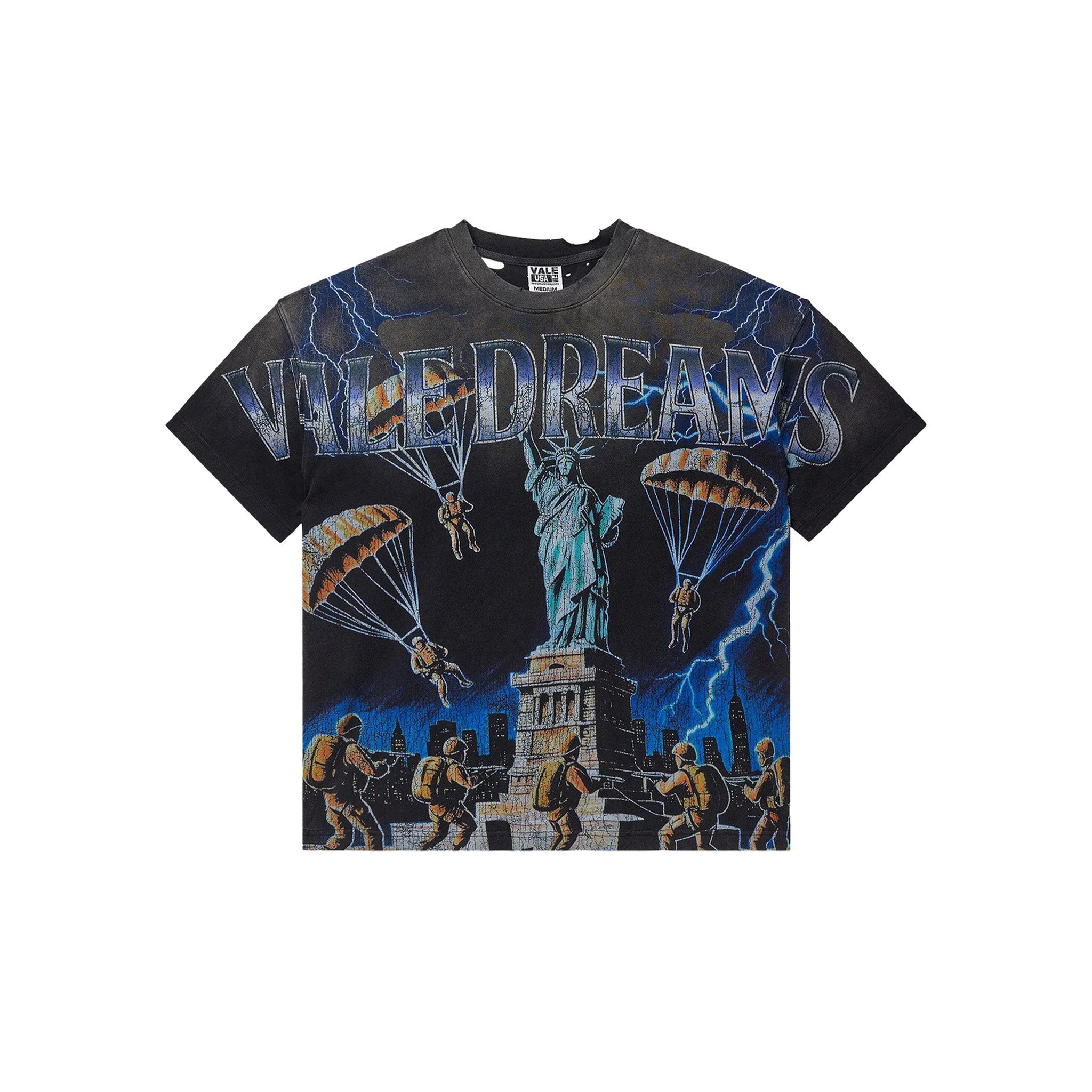
| Printed/Blank Tees | $60–$110 | Material density, wash treatments, graphic method |
| Sweatshirts/Casual tops | $140–$240 | Brushed density, rib density, hardware, dye process |
| Cargos | $160–$260 | Fabric density, pocket build, customizations and hardware |
| Denim | $180–$320 | Denim weight, wash complexity, chainstitching |
| Knitwear | $160–$280 | Knit tightness, fiber content, stitch complexity |
| Outerwear | $240–$520 | Shell fabric, inner construction, insulation, trims |
| Add-ons (caps, belts) | $40–$120 | Materials, metal components, construction |
Where quality benefit shows up
Quality is clearest on tops, hoodies, and cargos, where fabric density and silhouette are noticed immediately. Outer layers commands elevated prices because outer material, lining, and detail selections add actual expense.
If someone’s creating a rotation, start where improvement shows the enhancement daily—cotton tops and sweatshirt fabric—then include a bottom that secures silhouette. Leave the spendiest layer for end unless certain jacket is garment you’ll use three cycles a year.
Resale behavior and holding value
Standard tones and fundamental silhouettes tend to maintain worth best because demand doesn’t diminish. Seasonal colorways and distinctive finishes spike early, then stabilize once the next drop hits.
If someone purchases to enjoy, you’re protected choosing fundamental palette. If buyers worry about possible resale, focus on in-demand sizes and prevent heavy wear in initial few weeks. Packaging completeness—markers, dust bag, replacement parts—matters when selling later.
Genuine products, shipping, and exchanges: the essentials
Buy from primary site or named stockists linked by Vale. Check policy areas for shipping methods, duties handling, and exchange periods before release date.
Independent brands evolve procedures as they scale, and overseas duties can alter with short announcement. The easiest way to avoid surprises is to read the shipping and refund pages on the exact product release you’re acquiring, not old policy from earlier periods.
Legit checks and presentation indicators
Genuine Vale is delivered with consistent woven markers, clean lettering, and careful construction that corresponds to product photos. Text applications and stitched details should be crisp, not blurry or off-center.
Seam lines run aligned, elastic trim feels dense, and fabrics have elevated hand. Imitations often lack proportion, with necklines too small, shoulders too tight for the tagged size, or graphic placement a slight amount off. Compare the product codes and shade details against brand’s archive entries when available.
Customs fees, charges, and transport periods
Same-country transport times are typically faster than international, and import charges for international purchases depend on location and total cost. Whether fees are taken at ordering or on delivery depends on transport service setup.
If buyers are outside company’s home region, look for tax-included option at ordering; if not offered, assume there might be owe on receipt. Transport services vary by drop and location, so follow the shipment number rather than general timelines, and expect for busy period slowdowns during major drops.
Size swaps and returns
Return windows on boutique brands typically are limited, and discounted items often land under non-refundable policies. If buyers intend to exchange dimensions, know policies before finalizing out.
Maintain swing tags attached and test fit indoors. If company offers exchanges, move fast to secure the size you want before additional stock vanish. Restocking fees sometimes occur to returns, and transport fees on sent-back items is usually at purchaser’s cost; consider that into sizing decisions.
Create your starting Vale rotation: wise choices
Begin with a core tee, substantial hoodie, and single relaxed bottom, then include a individual outer garment that works with the entire collection. Keep colors understated to increase combinations.
A cream, dark, or neutral tee anchors outfits under outerwear. A moderate or dense grey or black hoodie gives you everyday options. For pants, choose easy straight denim in minimal wash or a cotton twill functional bottom in muted tone. If you want a standout piece, make the selection your jacket: a quietly structured bomber or simple parka that layers over the hoodie and complements the boxy top block.
All-season essentials
Pick jersey with adequate density to drape rather than stick, and sweatshirts with rib that bounces back after a stretch. On pants, prioritize rise and upper leg room so wearers are comfortable across seasons.
Alternate two tops and single hoodie as your base, then vary denim and cargos for different textures. This small capsule will carry you through most weeks while understanding develops how these silhouettes behave on personal proportions.
Period-specific standout pieces
When launch includes a special wash, material feel, or outerwear fabric, choose item that improves what you already own rather than chasing single-look piece. The goal is to expand combinations.
A detailed knitwear in a muted tone adds depth under jackets without loud graphics. A washed black denim or forest tone cargo adds tonal range and rounds out the rotation. If a jacket comes in special fabric, obtain it in only when it complements your basic colors.
Essential insights for 2025 buyers
Buy true to size for the brand’s designed oversized fall, drop a size for a sharper read, and match garment dimensions to preferred piece to eliminate returns. Emphasize on material feel and manufacturing precision to judge quality, and care cold with air dry to keep silhouette and tone. Approach drops like time-sensitive events: prepare your login, use rapid processing, and finalize order decisively on your primary size. Expect premium-but-accessible rates for independent designer label, with best value in tees, sweatshirts, and cargo pants. Remain to brand sources for genuine products, check duties and exchange rules at checkout, and build a rotation around basics before seeking seasonal statements.
